 Admin

The search for Marilyn Kroc Barg cause of death often leads to conflicting information, largely because Marilyn lived a remarkably private life despite being the only biological child of Ray Kroc, the businessman who transformed McDonald’s into a global fast-food empire. Marilyn died in September 1973 at the age of 48, more than a decade before her father’s death. Several modern biographies state that she died from complications associated with diabetes, but the publicly available contemporary death notice does not provide a detailed medical cause. That distinction matters when discussing historical figures. The most responsible account is therefore one that confirms what the records establish while identifying medical details that remain uncertain. Marilyn’s story is also significant because she belonged to the Kroc family before and during one of the most important periods in American business history.
Who Was Marilyn Kroc Barg?
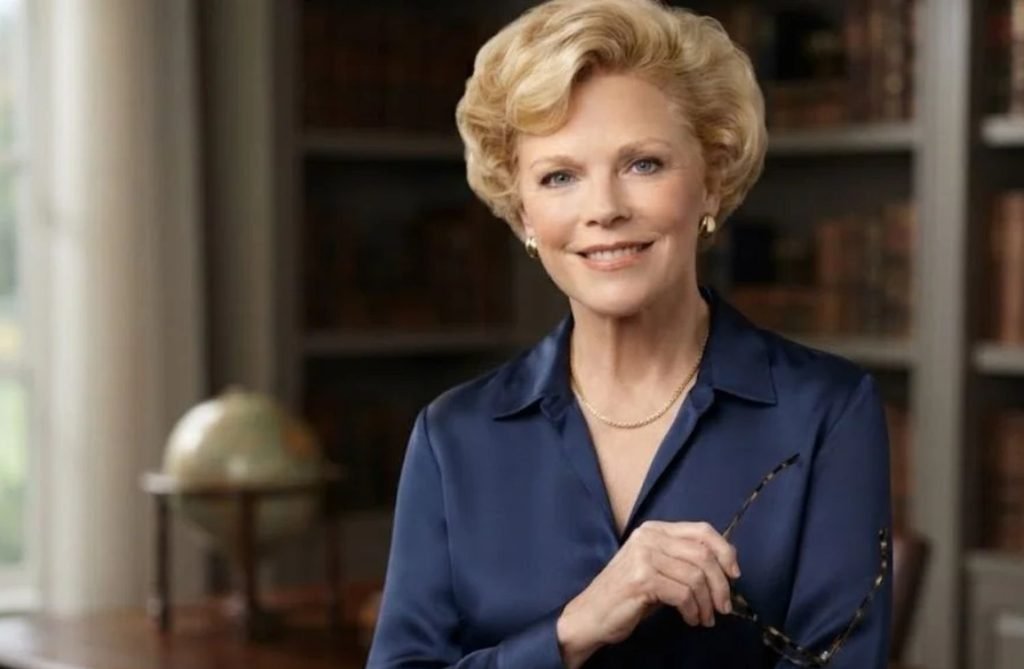
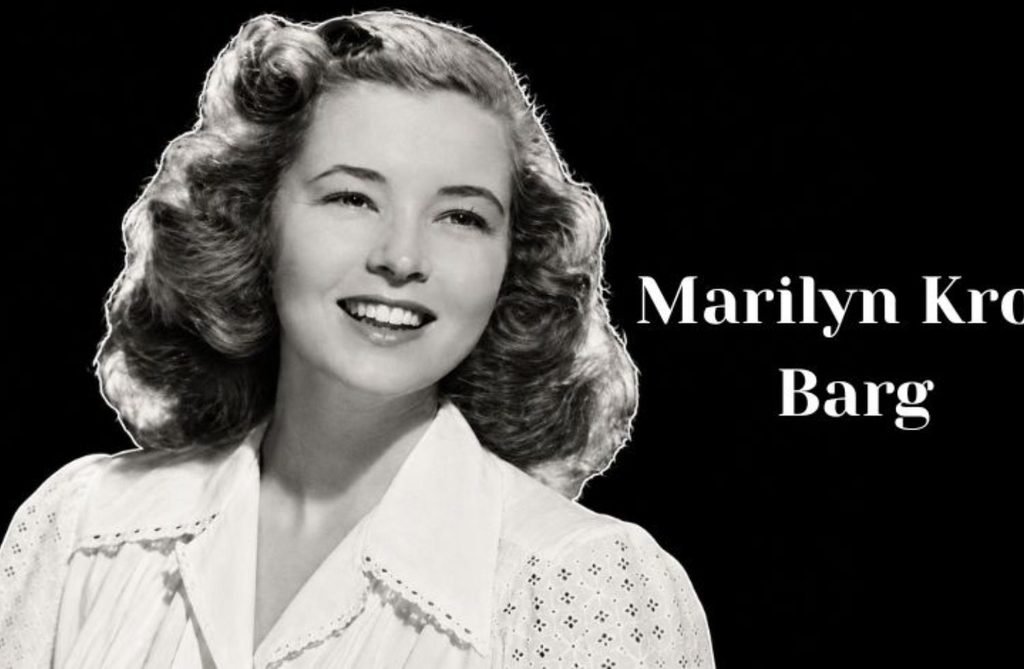
Marilyn Kroc Barg was the only child of Raymond Albert Kroc and his first wife, Ethel Janet Fleming. Unlike her father, Marilyn did not become a public business figure, McDonald’s executive, or celebrity personality. Her life remained largely outside newspapers and corporate histories, which explains why relatively little reliable information survives about her adult years. Genealogical records identify her as Marilyn J. Kroc, while her later married name was Barg. A contemporary death notice reportedly identified her as Lynn J. Barg, née Kroc, showing that Lynn was another name associated with her public record. Modern sources differ over her exact birth year, with some records giving 1924 and others 1926, so that detail should be treated cautiously rather than presented as completely settled.
Marilyn Kroc Barg’s Early Family Background
Marilyn was born into the family of a businessman whose greatest success had not yet arrived. Ray Kroc spent decades working in sales before his association with the McDonald brothers ultimately changed his life and the American restaurant industry. This means Marilyn’s childhood began long before the famous golden arches became a worldwide symbol. Her father was not initially the billionaire businessman remembered today. The family’s circumstances changed dramatically as Ray became increasingly involved with McDonald’s during the 1950s. Marilyn therefore witnessed a remarkable transformation in her father’s professional life, although there is no strong evidence that she personally participated in the company’s operations. Her importance to McDonald’s history is primarily familial: she was Ray Kroc’s only biological child.
Was Marilyn Kroc Barg Involved With McDonald’s?
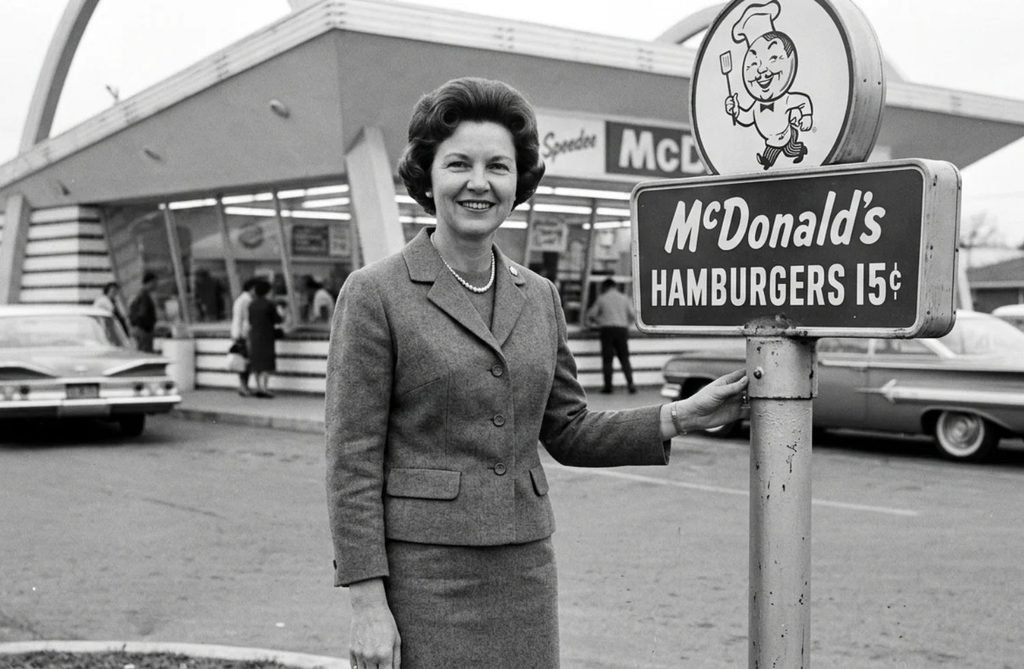
One of the most important facts to establish when researching Marilyn Kroc Barg is that there is no strong evidence she held a formal executive or operational position at McDonald’s. Some websites have attempted to make her part of the company’s business story, but established histories of McDonald’s focus on Ray Kroc, the McDonald brothers, franchisees, executives, and restaurant development, rather than Marilyn. Her connection to the company was therefore through her father and family. This distinction is important because online biographies sometimes turn family connections into professional roles without documentation. Marilyn was undoubtedly close to one of America’s most influential business families, but being Ray Kroc’s daughter should not automatically be interpreted as evidence that she helped build or manage McDonald’s.
Marilyn Kroc Barg’s Private Adult Life
Compared with the enormous amount written about Ray Kroc, very little reliable information exists about Marilyn Kroc Barg’s adult life. She did not pursue the kind of public career that would have generated extensive interviews, newspaper profiles, corporate announcements, or television appearances. Available records place her within the Chicago-area community, including Evanston and Arlington Heights, Illinois. Her private lifestyle is one reason modern searches about her death can produce inconsistent results. When a person leaves few public records, later writers sometimes fill gaps with assumptions or repeat information from earlier unsourced biographies. In Marilyn’s case, the safest approach is to distinguish documentary evidence from claims that appear only on modern biography websites. Her quiet life should not be mistaken for an absence of importance within the Kroc family.
Who Was Marilyn Kroc Barg’s Husband?
Marilyn became known by the surname Barg through marriage. Public records and later memorial sources associate her with James Walter Barg, sometimes identified as Walter James Barg or by the nickname “Bingo.” Her contemporary death notice reportedly referred to her as the wife of James W. Barg, which provides stronger support for that relationship than many modern biography pages. Some online sources also claim that Marilyn had an earlier marriage to Sylvester Nordly Nelson, but the details surrounding that reported relationship are less consistently documented. Because the surviving public evidence is limited, it is better to avoid presenting every online family-tree claim as established history. What can be said with greater confidence is that she was married to James W. Barg when she died and that Barg became the surname attached to her later-life identity.
Marilyn Kroc Barg Health Before Her Death
The question of Marilyn Kroc Barg’s health is closely connected to searches for her cause of death. A number of secondary biographies report that Marilyn experienced health problems involving diabetes before her death. Some go further and state that complications from diabetes caused her death. However, the evidence available publicly is not as strong as it is for the date and location of her death. A short contemporary death notice does not appear to provide a detailed medical explanation. That creates an important historical distinction. Diabetes may have been a significant health condition in Marilyn’s life, and later sources repeatedly connect it with her death, but the publicly accessible evidence does not establish the exact medical sequence with the certainty of an official medical record.
Marilyn Kroc Barg Cause of Death: What Is Known?
So, what was Marilyn Kroc Barg’s cause of death? The most accurate answer is that she died in September 1973 at age 48, while diabetes-related complications are commonly reported as the cause, but the exact cause is not firmly established in the publicly available death notice. Several modern sources repeat the diabetes explanation, while other sources specifically caution that no official death certificate or detailed medical record has been made publicly available to substantiate it. This means readers should avoid a categorical statement such as “Marilyn Kroc Barg definitely died from diabetes” unless a primary medical record becomes available. A better formulation is that diabetes-related complications have been widely reported as contributing to her death, but the precise official cause remains insufficiently documented in accessible public sources.
When Did Marilyn Kroc Barg Die?
Marilyn Kroc Barg died on September 11, 1973, according to genealogy and memorial records that consistently identify that date. She was only 48 years old, making her death relatively early in adulthood. The date is more consistently reported than her birth year, which is why it is generally safer to use the September 11, 1973 date in a biography. Her death occurred during an important period in the broader Kroc family story. McDonald’s was already a major and rapidly expanding American restaurant company, while Ray Kroc continued to build the business and develop his personal legacy. Marilyn did not live to see the later stages of her father’s career, including his final years, death, and the enormous philanthropic activity that followed.
Where Did Marilyn Kroc Barg Die?
Available records place Marilyn Kroc Barg’s death in Arlington Heights, Illinois, a suburb in the Chicago metropolitan area. Arlington Heights became associated with her later years and is also the location connected with the private services held after her death. Her Illinois connection is unsurprising because the Kroc family had deep roots in the Chicago area. Unlike many famous figures whose deaths receive extensive newspaper coverage and public memorials, Marilyn’s passing appears to have been handled privately. This fits the broader picture of her adult life, which remained outside the media spotlight. The combination of a private family life and limited surviving documentation helps explain why modern accounts of her death sometimes contain contradictory information about her age, medical condition, and family relationships.
Was Diabetes Really Marilyn Kroc Barg’s Cause of Death?
The phrase “complications from diabetes” appears repeatedly in modern accounts of Marilyn Kroc Barg’s death, but repetition should not automatically be confused with primary-source confirmation. Several biography websites state the claim confidently, while other recent articles acknowledge that the contemporary death notice did not specify a cause. From a historical and SEO perspective, this distinction is particularly important. Readers searching for the exact Marilyn Kroc Barg cause of death deserve an answer that does not turn an uncertain claim into a proven fact. Therefore, diabetes should be described as the commonly reported explanation, rather than an absolutely confirmed diagnosis of the immediate cause. Unless a reliable death certificate, medical record, or authoritative family statement becomes available, the precise medical circumstances should remain qualified.
The Importance of the 1973 Death Notice
A contemporary death notice is especially valuable when researching someone as private as Marilyn Kroc Barg. Modern websites can repeat one another, but a notice published around the time of a person’s death provides evidence closer to the event itself. The notice associated with Marilyn reportedly identified her as Lynn J. Barg, wife of James W. Barg and daughter of Raymond A. and the late Ethel J. Kroc. Significantly, it did not provide the kind of detailed medical explanation that many modern biographies now attach to her death. This absence does not prove that diabetes played no role. It simply means the public notice cannot independently verify the precise medical cause. For responsible biography writing, that distinction should remain visible rather than being hidden behind an overly confident headline.
Did Marilyn Kroc Barg Die Before Ray Kroc?
Yes. Marilyn Kroc Barg died in 1973, while her father Ray Kroc died in 1984. The eleven-year gap is an important part of the family timeline. Ray lived long enough to see McDonald’s become an international corporation, but Marilyn did not. Her death also meant that she was not alive when Ray’s later estate and philanthropic legacy were established. Ray Kroc’s final years included continued involvement with the San Diego Padres and major charitable interests. His death in January 1984 came more than ten years after his daughter’s passing. Consequently, claims that Marilyn later inherited her father’s final estate are historically incorrect. She died before that estate was created and distributed, although that does not tell us what financial support or assets she may have had during her own lifetime.
Did Marilyn Kroc Barg Have Children?
Information about Marilyn Kroc Barg’s children is another area where online sources conflict. Some genealogy-oriented and biography websites mention possible descendants, while others state that there is no verified public record establishing children. Her contemporary death notice, which is one of the more useful sources available, does not provide enough information to settle every family-history question. Because Marilyn lived privately, it is possible that family information remained outside the public record. It is therefore inappropriate to confidently identify a child or descendant based solely on an unsourced website. A careful biography should say that publicly accessible evidence does not clearly establish her descendants. This is another example of why historical research should distinguish between genealogical possibilities and facts supported by reliable documentary evidence.
The Myth About Ronald McDonald House Charities
One of the most persistent inaccuracies connected with Marilyn Kroc Barg is the claim that she founded or created Ronald McDonald House Charities. The chronology makes this claim impossible in its most common form. Marilyn died in September 1973, while the first Ronald McDonald House opened in Philadelphia on October 15, 1974, more than a year after her death. Official histories identify the origins of the first House with Dr. Audrey Evans, Philadelphia Eagles player Fred Hill, the Eagles organization, local McDonald’s operators, and other supporters. McDonald’s official history likewise dates the first Ronald McDonald House to 1974. Therefore, Marilyn should not be described as the founder of the organization. This correction is especially important because the claim has been repeated widely across low-quality biography websites.
How the Ronald McDonald House Actually Began
The authentic history of the first Ronald McDonald House is both compelling and separate from Marilyn’s life. In 1974, Philadelphia Eagles player Fred Hill’s daughter, Kim, was being treated for leukemia. Hill and his wife Fran experienced firsthand how difficult it was for families to remain close to children receiving extended hospital treatment. Hill worked with the Eagles and pediatric oncologist Dr. Audrey Evans, who had envisioned a place where families could stay near hospitalized children. Local McDonald’s involvement helped turn that idea into reality. A fundraising campaign connected with the Shamrock Shake generated money for the project, and the first House opened in Philadelphia on October 15, 1974. Official Ronald McDonald House histories continue to identify this Philadelphia effort as the beginning of the movement.
Marilyn Kroc Barg’s Relationship to the Kroc Legacy
Although Marilyn did not found Ronald McDonald House or play a documented corporate role at McDonald’s, she remains part of the Kroc family legacy because she was Ray Kroc’s only biological child. Her story offers a different perspective on a family usually remembered through enormous business success and philanthropy. Ray Kroc’s public identity was built around McDonald’s, while Marilyn’s life remained comparatively private. That contrast is meaningful. Not every member of a famous family becomes a public figure or participates in the family business. Marilyn’s limited public footprint also makes it easier for myths to develop decades after her death. Understanding her history requires separating her genuine family connection from later claims that give her responsibilities or accomplishments that are not supported by the historical record.
Why There Is So Much Confusion About Her Death
The continuing confusion surrounding Marilyn Kroc Barg cause of death comes largely from the scarcity of detailed public information. When a private person dies young and leaves behind few interviews or professional records, later writers often rely on genealogy databases, brief obituaries, family trees, and earlier online biographies. One site may provide a birth year, another may give a different year, and a third may add a medical cause without identifying its source. The information can then circulate until an uncertain claim begins to look established. Marilyn’s case demonstrates why source quality matters. Her death date and location are comparatively well supported, while the exact medical cause is less certain. A reliable article should preserve that difference instead of presenting every commonly repeated detail as equally proven.
Marilyn Kroc Barg’s Burial and Final Resting Place
Memorial and genealogy records associate Marilyn Kroc Barg with Memorial Park Cemetery in Skokie, Illinois. Her final resting place is consistent with the broader geographic pattern of her life, which remained connected to the Chicago area. Her private funeral arrangements also fit the limited public profile she maintained during her lifetime. Unlike Ray Kroc, whose death later generated substantial historical and business commentary, Marilyn’s passing did not become a major public event. Today, interest in her largely comes from people researching the Kroc family, Ray Kroc’s children, McDonald’s history, or the circumstances surrounding her early death. Her gravesite and genealogical records consequently serve as some of the few surviving public traces of a woman who otherwise remained outside the spotlight.
What Can Be Confirmed About Marilyn Kroc Barg Today?
Looking at the evidence available today, several facts can be stated with reasonable confidence. Marilyn Kroc Barg was Ray Kroc’s only biological child, she was married to James W. Barg at the time of her death, and she died in Arlington Heights, Illinois, on September 11, 1973, at the age of 48 according to commonly cited records. Her exact birth year is less consistent across databases. Most importantly for the main search question, diabetes-related complications are widely reported as being associated with her death, but the exact official cause is not clearly established in the publicly available contemporary death notice. This is the distinction readers should remember. A factual biography does not need to eliminate uncertainty; it needs to explain where the evidence is strong and where it remains incomplete.
Conclusion
The answer to the question “What was Marilyn Kroc Barg’s cause of death?” requires more care than many online biographies suggest. Marilyn Kroc Barg, the only biological daughter of Ray Kroc, died on September 11, 1973, at the age of 48. Several secondary sources report that she died from complications associated with diabetes, but the publicly available contemporary death notice does not independently establish that medical cause. For that reason, diabetes-related complications should be described as a commonly reported cause rather than an absolutely confirmed one. Her death occurred more than a decade before Ray Kroc died in 1984, and she was not involved in founding Ronald McDonald House, which began in 1974 after her death. Her story ultimately illustrates the importance of separating historical records from repeated internet claims.
Frequently Asked Questions About Marilyn Kroc Barg Cause of Death
What was Marilyn Kroc Barg’s cause of death?
The exact official cause is not clearly documented in the publicly available contemporary death notice. Several later sources report that Marilyn Kroc Barg died from diabetes-related complications, but this should be treated as a commonly reported explanation rather than an independently verified medical fact.
When did Marilyn Kroc Barg die?
Marilyn Kroc Barg died on September 11, 1973, in Arlington Heights, Illinois. She was 48 years old according to the commonly cited death and memorial records.
Who was Marilyn Kroc Barg?
Marilyn Kroc Barg was the only biological daughter of Ray Kroc, the businessman who transformed McDonald’s into a global restaurant company. She lived a comparatively private life and was not documented as a McDonald’s executive.
Was Marilyn Kroc Barg related to McDonald’s?
Yes. She was Ray Kroc’s daughter, giving her a direct family connection to McDonald’s. However, there is no strong evidence that she held a formal leadership or operational position within the company.
Did Marilyn Kroc Barg found Ronald McDonald House Charities?
No. This is a widespread but incorrect claim. The first Ronald McDonald House opened in Philadelphia in 1974, more than a year after Marilyn’s death. Official histories credit Dr. Audrey Evans, Fred Hill, the Philadelphia Eagles, local McDonald’s operators, and other supporters with creating the first House.
Did Marilyn Kroc Barg die before Ray Kroc?
Yes. Marilyn died in 1973, while Ray Kroc died on January 14, 1984. She therefore died more than ten years before her father.
Is Marilyn Kroc Barg’s exact birth date confirmed?
Her birth information is inconsistent across publicly available genealogy sources. Some records give October 15, 1924, while others give October 15, 1926. Because the records conflict, the exact birth year should be presented cautiously rather than treated as completely settled.