
 Admin

If you are wondering about Sue Aikens now, the famous Life Below Zero survivalist remains one of the most recognizable figures associated with extreme Alaskan living. Born on July 1, 1963, Sue became famous for her remarkable ability to survive at Kavik River Camp, a remote outpost roughly 200 miles north of the Arctic Circle. Her television career introduced millions of viewers to the realities of isolation, freezing temperatures, wildlife, hunting, and self-reliance. In 2026, Sue has entered a new chapter. Her long-running television series has ended, while her memoir, North of Ordinary, has given her an opportunity to tell her story in greater depth and in her own voice.
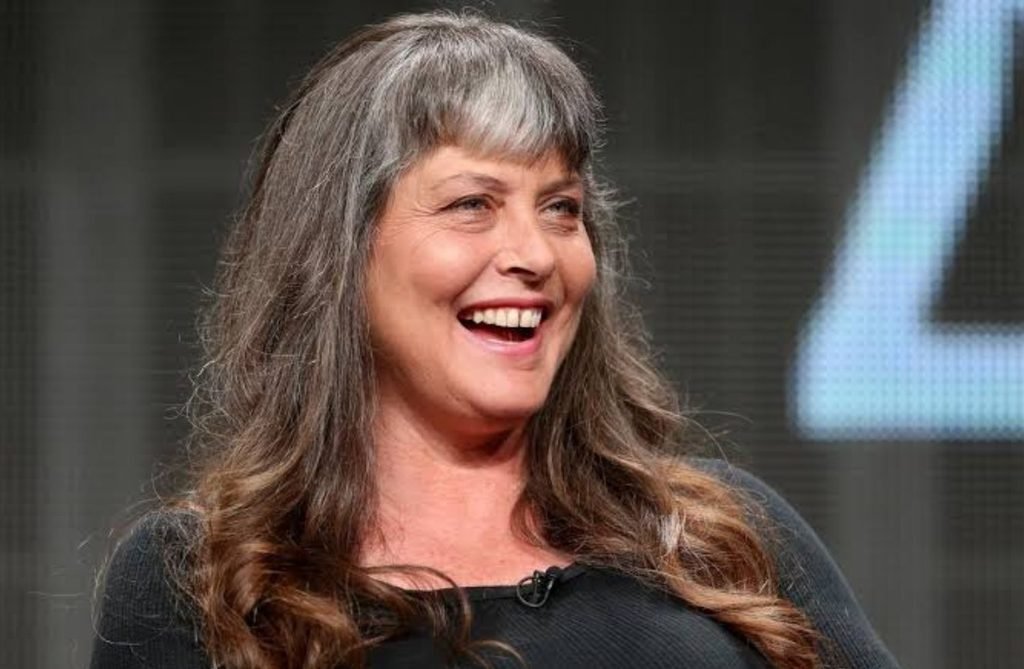
Where Is Sue Aikens Now?
The latest reliable public information shows that Sue Aikens remains closely associated with Kavik River Camp and Alaska’s Arctic wilderness. In a May 2026 interview, she was described as the warden of Kavik, a remote, self-sufficient outpost on Alaska’s North Slope where she has spent nearly three decades. The camp serves people traveling through the region, including hunters, scientists, photographers, and adventurers. However, some online discussions have circulated claims that Sue has permanently left Kavik or that the property has changed hands. Those claims have not been established by authoritative sources, so they should be treated cautiously. What is clearly documented is Sue’s continuing connection to Kavik and her active public life through interviews and her 2026 memoir.
Sue Aikens Now After Life Below Zero
One major change in Sue Aikens now is that viewers can no longer follow her through new episodes of Life Below Zero. The National Geographic series concluded its original run in February 2025, after 23 seasons documenting subsistence living and survival in remote parts of Alaska. Sue was one of the show’s best-known personalities, and her segments often centered on Kavik, where she dealt with predators, extreme weather, equipment failures, food supplies, and the challenges of living far from ordinary infrastructure. The end of the series did not mean that Sue suddenly stopped living in the wilderness. Instead, it marked a transition from regular television exposure toward other projects, including writing, interviews, and public appearances.
Is Sue Aikens Still Alive?
Yes, Sue Aikens is alive as of September 2026. Online rumors about the deaths of reality-TV personalities sometimes spread rapidly, and Sue has been the subject of inaccurate claims in the past. Current evidence contradicts any suggestion that she has died. Her 2026 memoir, North of Ordinary, was published by Sourcebooks in March, and she participated in interviews connected with the book. A May 2026 podcast appearance also featured Sue discussing her life at Kavik and her experiences in the Alaskan wilderness. These recent activities provide strong evidence that she remains active. For readers searching “Sue Aikens now,” the important distinction is between documented information and social-media rumors that lack reliable confirmation.
Sue Aikens’ Age and Early Life
Sue Aikens was born on July 1, 1963, making her 63 years old in 2026. She was born in Illinois, although her life became strongly associated with Alaska at a relatively young age. Her early experiences, including periods of hardship and instability, became important elements of the story she later told publicly. Her 2026 memoir provides a much more detailed account of her childhood and the experiences that shaped her philosophy of survival. Rather than presenting wilderness living as an isolated chapter, Sue’s story suggests that resilience developed throughout her life. Her experiences taught her to become self-reliant, adaptable, and comfortable making decisions without the support systems most people take for granted.
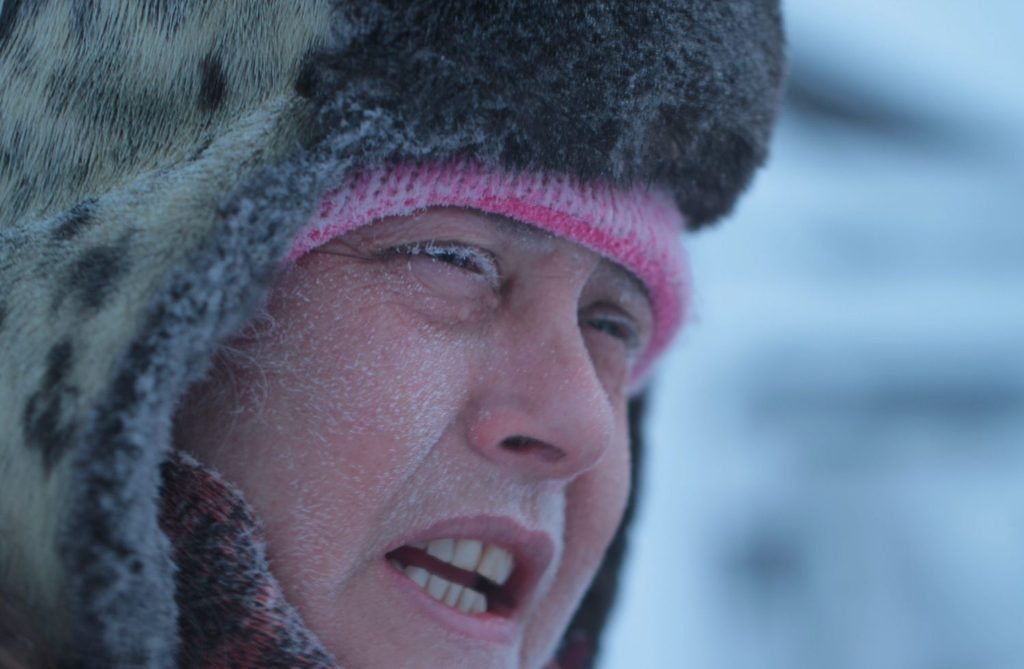
Why Sue Aikens Chose the Alaskan Wilderness
For Sue Aikens, Alaska became more than a location. It became a place where she could build an independent life according to her own rules. Her memoir describes how difficult personal experiences helped shape her determination to survive and establish a home in an environment that most people would consider impossibly harsh. The wilderness offered freedom, but that freedom came with serious responsibilities. Living remotely meant learning how to secure food, maintain equipment, deal with weather, understand animal behavior, and prepare for emergencies. Over time, Sue developed an intimate understanding of the land around Kavik. Her relationship with the wilderness is therefore not simply about toughness. It is also about preparation, observation, patience, and accepting the consequences of every decision.
What Is Kavik River Camp?
Kavik River Camp is the remote Alaskan outpost most closely associated with Sue Aikens. Located on Alaska’s North Slope, the camp is roughly 200 miles north of the Arctic Circle and exists in an environment characterized by enormous distances, severe weather, and limited infrastructure. The camp has been used by people who need a base while traveling through the Arctic region, including hunters, researchers, photographers, and other visitors. For Sue, maintaining Kavik involves much more than simply living in a cabin. Fuel, transportation, communications, heating, food, equipment, and aircraft access can all become matters of survival. Her long experience there has given her a level of familiarity with the region that few people possess.
Sue Aikens and Her Life at Kavik
Life at Kavik requires a completely different approach from ordinary modern living. Sue Aikens has spent years dealing with conditions in which small mistakes can have serious consequences. Extreme cold can damage equipment, storms can interrupt travel, and wildlife can create constant risks. The isolation also means that help cannot necessarily arrive quickly. This environment explains why Sue emphasizes preparation and practical decision-making rather than relying on comfort or convenience. Her television appearances frequently showed her repairing equipment, hunting, maintaining the camp, and preparing for seasonal changes. Although Life Below Zero made those activities entertaining for viewers, the underlying reality was much more serious: Kavik demanded constant work simply to remain functional and safe.
The Grizzly Bear Attack That Changed Her Life
One of the most famous chapters in Sue Aikens’ survival story is her encounter with a grizzly bear in 2007. According to accounts of her life, the attack left her severely injured and alone at Kavik. Her injuries were serious enough that surviving the immediate encounter was only the beginning of the ordeal. Sue managed to make her way back toward camp and endured a prolonged period before she could receive professional medical assistance. The incident became one of the defining experiences associated with her public image. However, Sue’s memoir places the bear attack within a much larger story of survival rather than treating it as a single sensational event. It demonstrates the risks inherent in the remote environment where she chose to live.
Sue Aikens’ Injuries and Recovery
The physical consequences of wilderness living have been an important part of Sue Aikens’ story. Her bear attack caused severe injuries, and years later she also experienced health-related setbacks that affected her ability to remain at Kavik continuously. A 2025 Life Below Zero episode specifically showed Sue returning to Kavik after being away because of an extensive surgery. That detail is significant because it demonstrates that even an exceptionally experienced survivalist has physical limits. Sue’s approach has increasingly involved adapting to those realities rather than pretending they do not exist. Her resilience is therefore not simply the ability to endure pain. It is also the ability to change routines, recover, reassess risks, and continue living independently when circumstances become more difficult.
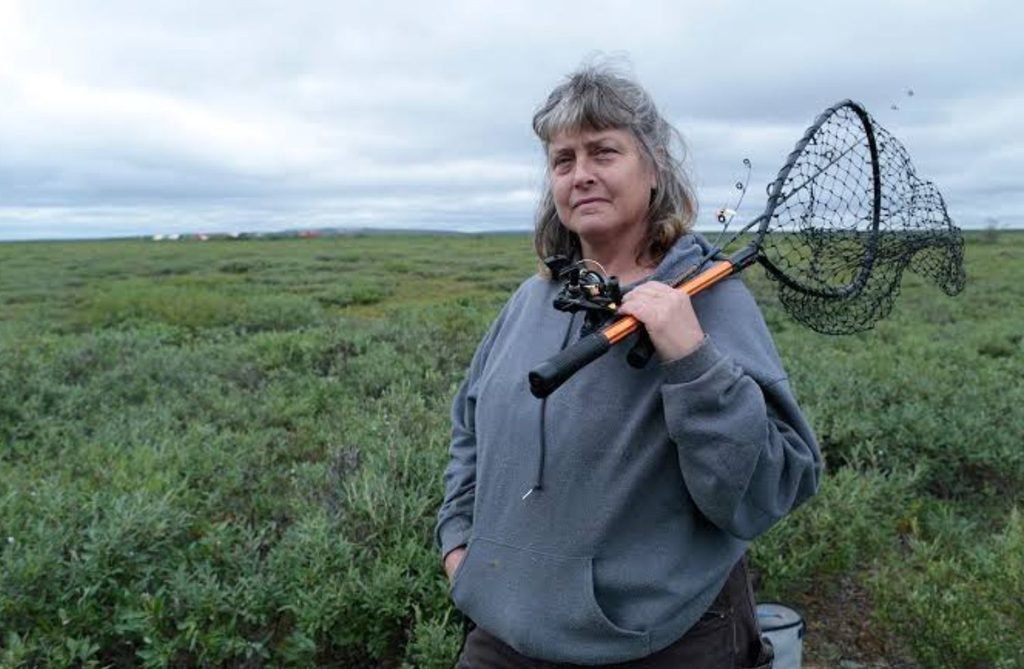
What Happened to Sue Aikens on Life Below Zero?
Sue became one of the central personalities of Life Below Zero, which premiered in 2013 and followed people living in remote areas of Alaska. Her presence at Kavik made her particularly distinctive because she was often portrayed dealing with isolation largely on her own. Over the years, audiences watched her hunt, prepare supplies, maintain the camp, confront wildlife, and adapt to changing Arctic conditions. The series eventually ended its run in 2025. Importantly, the conclusion of the television program should not be confused with Sue’s retirement from wilderness living. Her life continued beyond the cameras. Her recent interviews and writing projects show that she remains interested in sharing the lessons she learned while living in one of America’s most challenging environments.
Sue Aikens’ New Book in 2026
A major development in Sue Aikens now is the publication of her memoir, North of Ordinary: How One Woman Left It All Behind for Wilderness and Wonder in Alaska’s Frozen Frontier. Sourcebooks released the book on March 10, 2026, with Sue Aikens credited as the author and Michael Vlessides as a contributor. The 304-page memoir examines her childhood, abandonment, wilderness experiences, injuries, the famous bear attack, and her eventual life at Kavik. The book provides a deeper perspective than television could offer because Sue is able to explain her experiences in her own narrative. Rather than simply presenting survival as a collection of dangerous moments, the memoir explores resilience, identity, independence, and the emotional reasons behind her unusual life.
What North of Ordinary Reveals About Sue Aikens
North of Ordinary adds important context to the public image viewers developed from Life Below Zero. Television naturally focuses on dramatic situations, but Sue’s memoir explores the experiences behind her determination and independence. The book discusses a difficult childhood, abandonment, wilderness survival, serious encounters with wildlife, injuries, and the process of building a life in an isolated environment. Its central message is broader than simply surviving Alaska. Sue presents wilderness as a place where a person can discover what remains when ordinary comforts disappear. This helps explain why she has continued returning to remote Alaska despite the danger. Her story is ultimately about adaptation and self-definition, showing that resilience can involve emotional recovery just as much as physical endurance.
Sue Aikens’ Work Beyond Television
Although television made Sue Aikens internationally recognizable, her identity has never been limited to being a reality-TV personality. Her work at Kavik existed before Life Below Zero brought cameras into her life, and her responsibilities at the camp continued after the show’s final episodes. In 2026, she has also expanded her public presence through interviews connected with her memoir. A May 2026 podcast described her as the warden of Kavik and discussed her decades of experience there. This transition is important because it shows how Sue’s career has evolved. She can now share her experiences through writing and conversation without depending entirely on a television production to tell her story. Her wilderness expertise remains the foundation of her public identity.
Does Sue Aikens Still Live at Kavik?
The safest answer is that Sue Aikens remains strongly connected to Kavik, but details about her exact current living arrangements should not be exaggerated. A recent 2026 interview continued to describe her as the warden of Kavik and emphasized that she has spent nearly 30 years there. Meanwhile, online communities have circulated claims suggesting changes to the camp and Sue’s personal routine. Those claims are not sufficiently established by authoritative reporting to state as fact. The 2025 National Geographic material also documented Sue returning to Kavik after surgery, confirming how central the camp remained to her life at that time. Therefore, readers searching “Sue Aikens now” should distinguish her continuing professional and personal connection to Kavik from unsupported claims about exactly where she spends every day.
Sue Aikens’ Approach to Survival
The philosophy behind Sue Aikens’ survival skills is based less on physical strength than on preparation and awareness. In the Arctic, weather can change quickly, supplies can become difficult to obtain, and wildlife can be unpredictable. Sue’s experience has taught her to think ahead and respect the environment rather than underestimate it. Her lifestyle also demonstrates that wilderness survival involves countless ordinary tasks. Maintaining shelter, fuel, tools, transportation, food stores, and communication systems can be just as important as hunting or facing predators. This practical approach is one reason viewers connected with her. Sue does not portray survival as an adventure that happens occasionally. For her, survival is an ongoing responsibility and a way of life built through repetition, knowledge, and discipline.
Why Sue Aikens Remains Popular
The continued interest in Sue Aikens now comes partly from the unusual combination of qualities she represents. She is an older woman who has built an independent life in an environment that many younger and physically stronger people would struggle to tolerate. Her blunt personality, humor, willingness to discuss difficult experiences, and refusal to romanticize wilderness living have made her memorable. Viewers also appreciate the fact that she does not fit the conventional image of a television celebrity. Her appeal comes from competence rather than glamour. Even after Life Below Zero ended, people remain interested in her because the questions surrounding her life are larger than the television show: How does someone choose such an isolated existence? What does survival do to a person’s character? And what happens when a famous survivalist enters a new chapter?
Sue Aikens Now in 2026: A New Chapter
In 2026, Sue Aikens appears to be moving from being primarily a television personality toward becoming an author and storyteller whose experiences can be understood beyond the limits of a reality series. Her memoir was published in March, and interviews surrounding the book have allowed her to discuss subjects that go deeper than the survival challenges shown on television. At the same time, her long association with Kavik remains central to her identity. The end of Life Below Zero changed how audiences receive updates about her, but it did not erase the life she built in Alaska. If anything, 2026 represents an opportunity for Sue to explain her story on her own terms, with the wilderness, resilience, and independence that defined her career remaining at its center.
Conclusion: The Truth About Sue Aikens Now
The story of Sue Aikens now is not a simple tale of a television star who disappeared after Life Below Zero. She remains a prominent figure in wilderness-survival culture, closely associated with Kavik River Camp and Alaska’s North Slope. The original series ended in 2025, but Sue continued into 2026 through her memoir North of Ordinary, interviews, and public appearances. Her life has been shaped by childhood hardship, extreme isolation, a devastating bear attack, serious injuries, and decades of self-reliance. While some online claims about her current circumstances remain unverified, reliable evidence shows that Sue is alive and active. Her latest chapter is less about surviving for television and more about telling her own story, preserving her independence, and sharing what the wilderness has taught her.
Frequently Asked Questions About Sue Aikens Now
Is Sue Aikens still alive in 2026?
Yes. Sue Aikens is alive in 2026 and remains publicly active. Her memoir, North of Ordinary, was published in March 2026, and she participated in interviews about her life and experiences. A May 2026 podcast also featured Sue discussing her long relationship with Kavik River Camp and her wilderness lifestyle. Claims suggesting that she has died are not supported by current reliable evidence.
How old is Sue Aikens now?
Sue Aikens was born on July 1, 1963. Therefore, she is 63 years old in 2026. Her age is significant because she has continued to maintain an unusually demanding connection with the Alaskan wilderness over many decades. Her long experience has also allowed her to adapt her approach to physical limitations and changing circumstances rather than simply relying on youth or strength.
Is Sue Aikens still on Life Below Zero?
No new episodes of the original Life Below Zero are currently being produced as part of its completed run. The series concluded in 2025 after 23 seasons. Sue was one of its most recognizable cast members and appeared extensively throughout its run. However, the end of the program did not mean the end of Sue’s wilderness lifestyle or public career.
Does Sue Aikens still live at Kavik?
Sue remains closely associated with Kavik River Camp, where she has spent nearly three decades. A 2026 interview continued to identify her as the camp’s warden. However, claims about exactly how much time she currently spends there should be treated carefully because her schedule and private arrangements are not fully documented.
What is Sue Aikens doing now?
In 2026, Sue is continuing her connection with the Alaskan wilderness while also focusing on writing and public storytelling. Her memoir, North of Ordinary, was released by Sourcebooks on March 10, 2026. The book gives readers a more detailed account of her childhood, survival experiences, injuries, bear attack, and life at Kavik.
What happened to Sue Aikens after her surgery?
Sue experienced an extensive surgery that temporarily kept her away from Kavik. A 2025 episode of Life Below Zero documented her eventual return to the camp after her absence for health reasons. Her recovery illustrates an important part of her later story: surviving in the Arctic requires adapting to physical changes rather than pretending that age and injuries do not matter.
What is Sue Aikens’ new book called?
Sue Aikens’ memoir is titled North of Ordinary: How One Woman Left It All Behind for Wilderness and Wonder in Alaska’s Frozen Frontier. Published by Sourcebooks on March 10, 2026, the 304-page book explores her difficult childhood, life in Alaska, wilderness survival, injuries, bear encounter, and philosophy of independence